
A New Year, More Updates
by Heather Verhulp
There are constant changes when it comes to payroll. This can be challenging for both employers and employees. These changes often arise due to updates in regulations, updates from the Canada Revenue Agency (“CRA”), company policies, technology, or individual employee circumstances.
While some changes come back year after year, others may require more research and expertise to not miss a beat. Create your own checklist on these few updates that you would normally see year after year.


1. Auto KM reimbursement.
The mileage reimbursement rate is updated every year. As of January 1st, 2025, the Auto KM reimbursement has increased from 0.70 cents to 0.72 cents for the first 5000km and then from 0.64 cents increased to 0.66 cents after 5000km.
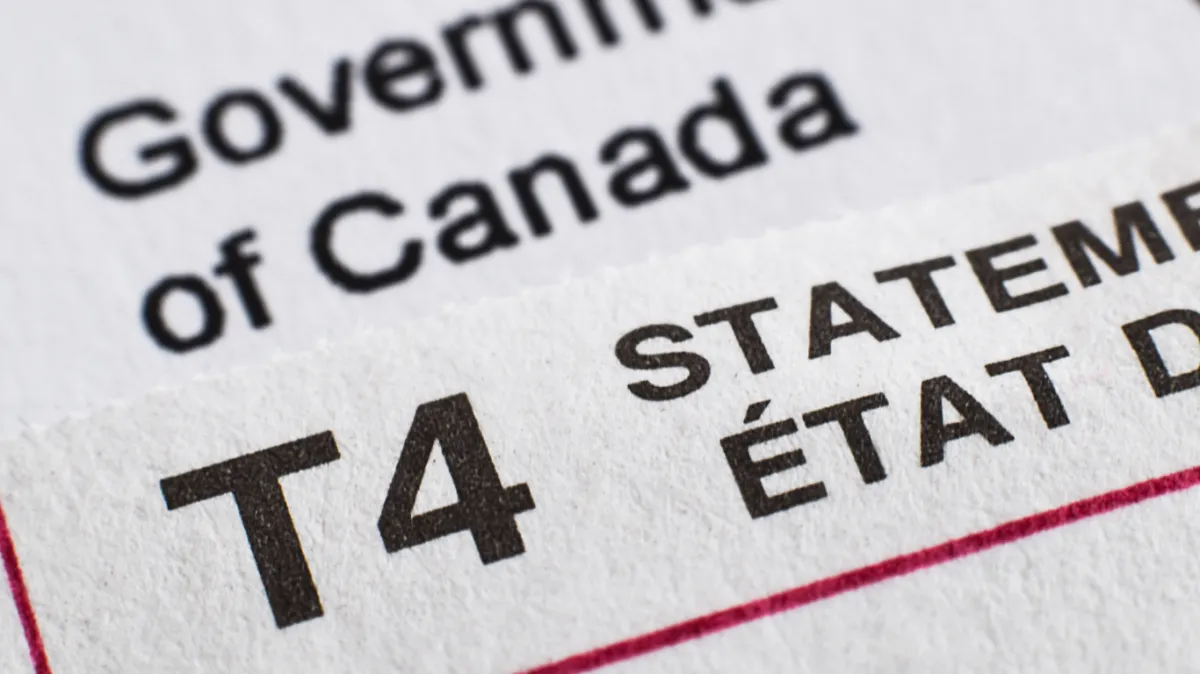
2. T4 form requirements
A review of T4 form requirements is essential to file accurate returns with CRA. Any discrepancies can cause delays with your employee’s personal tax return filing.
Currently, there are changes with the Dental Code. The eligibility and Codes have been changed. Employers offering a Health Spending Account (“HSA”) are now considered to be offering dental coverage because HSA can be used for dental care even if the employer does not offer dental coverage.
This means any employer with HSA accounts would be offering all employees and their family’s coverage under Code 3.

3. Employment Standards Act (“ESA”)
The ESA is an essential part of payroll compliance. Legislation is constantly changing. Amongst other changes, the ESA now provides a 27-week job protected leave in Ontario. This rule will now allow some employees to take up to 27 weeks of unpaid leave for a serious medical condition, while still having their job protected.
The Importance of Having a Professional Bookkeeper
Small Call to Action Headline
Lorem ipsum dolor sit amet consectetur. Aliquam odio enim pharetra et. Diam varius magna lobortis consequat id pharetra. At ac eu nulla faucibus ullamcorper. Elit varius malesuada egestas pretium eget sit bibendum urna scelerisque.
4. Wages
Ontario minimum wage has changed yearly for time now. This change has occurred in October of the past few years. As of October 21st, the minimum wage increased from $16.55 to $17.20 per hour, however, there are certain industries that have distinct rates.
Reviewing these changes on an annual basis will avoid underpayment to employees. Typically the changes will be announced in or around April, with new rates taking effect on October 1 each year.

Conclusion
If you rather not worry about such important ongoing updates that occur when it comes to payroll, leave it up to us. Contact us to see how we can help at [email protected].

Copyright© 2025. All Rights Reserved.